
Before you buy
- Start with the products your own customers ask for.
- Confirm the language, product and ordering unit.
- Use sales and remaining stock to plan your next purchase.
Start with what your customers ask for
A useful first purchase starts with a clear selling plan. Are customers asking for particular cards, sealed products to collect, or packs to open during a livestream? Record those requests before choosing the size and mix of your order.
Use enquiries from your own shop, listings and streams to make a shortlist. Interest in a character or set gives you something to investigate; completed sales will later help you decide what deserves a place in your restock list.
Give the first purchase a specific sales role
Start with the offer you want to make to your own customer. A gift display, a set of individual resale listings and a varied auction sequence need different buying briefs. Choose a format you can describe and track before increasing the quantity.
Treat quantity examples as proposed requirements. Agree the actual products, composition and purchasing units for the enquiry, then keep the sales results against those same references.
Swipe or scroll sideways to see every column.
| Sales role | First buying decision | Record for the next order |
|---|---|---|
| Shop display | Gift-box contents, a showcase card or an identified sealed box | Customer requests and sales by display product |
| Individual resale | Mixed lot, AR bulk or repeated copies of one exact card | Contents, copies per reference and cards sold |
| Character auctions | Distinct references and one agreed copy of each | Cards sold, unsold references and requested alternatives |
Choose the format you will sell
For singles, start with identifiable cards and quantities. For unopened resale, choose the sealed product and packaging your customer expects to receive. For live openings, check the exact contents and pack quantity before comparing purchase costs.
Keep singles and sealed requirements on separate lines, even if you discuss them together. That makes the quote easier to review and the results easier to track.
Check the edition behind the name
Specify Simplified Chinese when that is the edition you want. A website written in English does not mean its cards are printed in English. If your list also includes Japanese singles, label each item separately.
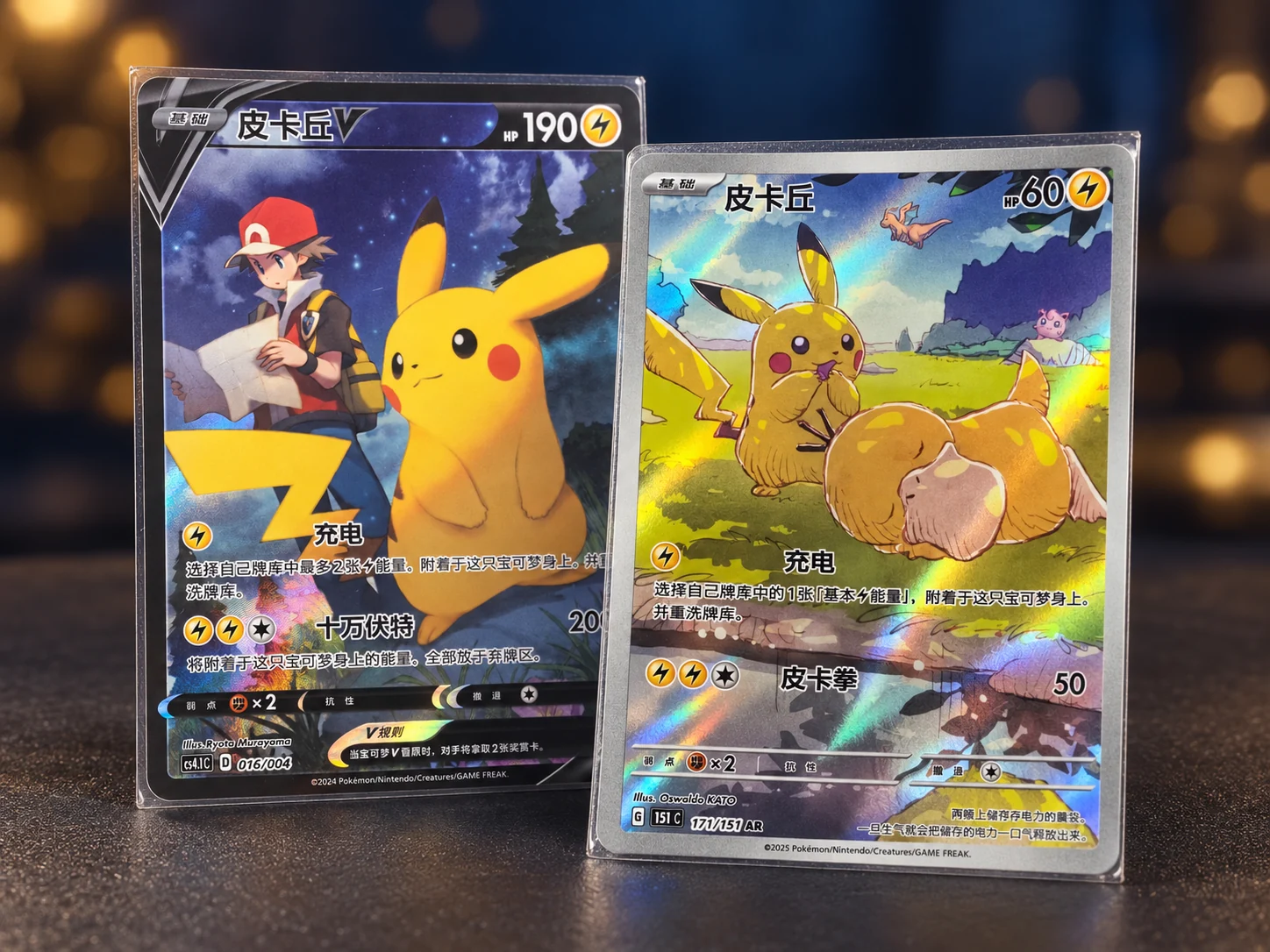
For example, the reference “Pikachu, Simplified Chinese, 151C 171/151” identifies a particular card more clearly than “Chinese Pikachu”. It is an identification example, not an availability offer. Add your required quantity and condition, and confirm the exact cards being quoted.
Make a short buying checklist
Use one line per product. Fill in what you know and leave questions for the conversation. These details help turn a broad idea into a purchase you can assess:
- Product or card reference, language and edition.
- Ordering unit and requested quantity; for singles, the condition you need.
- Planned sales channel and the customer request behind the selection.
- Destination, buying budget and any preferred timing.
- Questions about packaging, current supply or order requirements.
Review the quote, then record the results
Before deciding, check that product references, units and quantities match your shortlist. Review delivery arrangements, payment terms and the costs included. Discuss a suitable starting quantity and any minimum order requirements as part of the enquiry.
After selling, record the quantity received, quantity sold, stock remaining and questions customers asked. Use that record to choose the next purchase, rather than repeating the original mix automatically.
Start with the details you have
Legendary TCG Wholesale focuses on Simplified Chinese singles and sealed products, alongside Japanese singles. You can start on WhatsApp with a question, a photo or a partial list. Our assistant will help clarify the details. Availability and pricing are confirmed for your enquiry.